
By Beth Leermakers
The Easter bunny didn’t always hop through American backyards with baskets of candy. German immigrants who settled in Pennsylvania in the 1700s brought their tradition of an egg-laying hare called “Osterhase.” The settlers’ children made nests where the hare could leave its colored eggs. Over time, those simple nests evolved into the familiar Easter baskets filled with chocolate, candy and gifts.
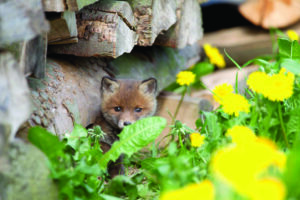
Photo courtesy of ThoughtCo
An egg-laying rabbit? How is that possible? According to legend, the Easter bunny used to be a bird. When Ostara, the goddess of springtime, found a bird that was almost frozen, she felt sorry for it and turned it into a rabbit with plenty of fur to keep it warm. The rabbit kept one of its bird-like traits and continued to lay eggs.
Rabbits aren’t the only animals that deliver Easter goodies. Around the world, several animals have served (or still serve) as egg and treat bearers:
Easter Fox. Until 50 years ago, the Easter Fox (Osterfuchs) was the star of Germany’s Easter festivities. German youngsters built nests of moss and hay for the fox and locked up household pets to avoid disturbing the clever creatures. On Easter morning, the children searched for Fuchseier — brightly colored fox eggs.
The fox’s connection to Easter may stem from an older tradition involving the Pentecost fox (Pfingstfuchs). During Pentecost, villagers led a fox on a leash from house to house while collecting donations — often eggs, one of the few foods available in early spring.
Over time, the fox became associated with egg-giving itself. In some stories, the fox even “stole” eggs from hens to deliver them, adding a mischievous twist to the tradition.
Easter Cuckoo. In parts of Switzerland, the Easter Cuckoo takes flight as the holiday’s egg deliverer. Cuckoos are migratory birds that arrive in Switzerland around Easter time, signaling renewal and the changing of the seasons.
Cuckoo birds are naturals when it comes to hiding eggs. These birds are brood parasites, meaning they lay their eggs in the nests of other species, letting the other birds do all the hard work of incubating, feeding and fledgling their chicks. Some cuckoo species destroy the eggs already in the nest, while other cuckoo mothers just “hide” their eggs with the others.
The Easter Bilby. Introduced to Australia in the 1800s, rabbits quickly became an environmental disaster, destroying thousands of acres of crops and becoming unwanted pests instead of symbols of rebirth. Needing a more popular Easter hero, Australians embraced a native alternative: the bilby. About the size of a cat, this small marsupial has with long ears and silky blue-gray fur — earning it the nickname “rabbit-eared bandicoot.”
Unlike rabbits, bilbies are ecological heroes. They are powerful diggers that build extensive burrow systems. A single bilby can move tons of soil per year, improving soil health by:
• Mixing organic matter.
• Bringing nutrient-rich deep soil to the surface.
• Providing sites for water to penetrate the ground.
• Spreading important fungi that help plants absorb nutrients.
Once common in Australia, bilby numbers have declined sharply due to predators and habitat loss. In the 1990s, Australian conservation groups started a campaign to promote the “Easter Bilby” as an alternative to the Easter Bunny. The goal was to raise public awareness of the need to protect the bilby, considered “vulnerable” by World Wildlife Federation Australia. Today, Australian candy companies make chocolate bilbies for Easter, donating some of the proceeds to protect the animals.
Whether your eggs and treats arrive by bunny, fox, cuckoo or bilby, I hope you have a wonderful Easter celebration!
P.S. Chocolate is toxic for cats and dogs, so keep your pets away from the treats during the big hunt.

Easter isn’t just for bunny rabbits added by whiterocklakeweeklyadmin on
View all posts by whiterocklakeweeklyadmin →