
By Beth Leermakers
Over the river and through the woods to grandmother’s house we go — with Fluffy and Fido in tow. Traveling with pets isn’t always as easy as it seems. If you’re traveling with your fur kid(s) over the holidays, now is the time to prepare.
Plan Ahead
Pet proof your car. Cats should travel in a carrier to prevent them from scooting out an open door. The safest place for dogs is in the backseat, restrained by a travel crate, car seat (designed for small dogs) or safety harness (attached to the seatbelt). If a car crashes at 25mph, an unrestrained dog can be projected forward at a force equal to 40 times their weight. A 50-pound dog can achieve an impact force of 2,000 pounds in a car crash.
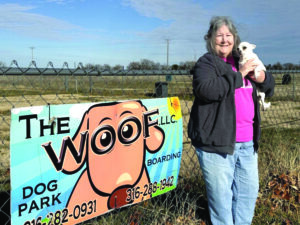
Photo courtesy of KMUW
The carrier or crate should be big enough for your dog or cat to stand up, turn around and lie down comfortably. If the carrier or crate is on the back seat, attach it to the seat belt or other restraint system. If it’s in the cargo area, tie the crate down. I’ve had a 60 lb. dog (standing) tip the crate over when we made a sharp turn.
Crate train your pet. If your cat or dog isn’t used to being in a carrier or crate, don’t wait until it’s time to leave to introduce the scary box. Start a couple weeks before your trip. In your house, leave the door open (and secure it so it can’t shut and startle your pet) and put treats inside to encourage your cat or dog to venture inside on her own. After she’s comfortable (ish) in the crate, go for short car rides (that don’t end at the vet clinic) and bring treats and toys to create positive associations with road trips.
Find pet friendly lodging. Visit bringfido.com or petswelcome.com to locate hotels that welcome your four-legged family members. Use the search filters to identify pet-friendly Airbnb or VRBO rentals. Contact the hotel or host to verify the rules, including limits on the size or number of pets allowed. You don’t want your 75 lb. dog to be turned away when the limit is 25 pounds.
ID your pets. Order an ID tag or collar embroidered with your pet’s name and phone number. Microchip your cat or dog and be sure the contact information is current.
Buy escape-proof walking gear. Using a harness, martingale collar or sturdy slip lead (such as Mendota slip leashes) prevents your dog from slipping out of his collar at rest stops.
Pack your pet’s bags. In addition to food, treats, medication, bowls, litter box and toys, you’ll need a copy of your pet’s vaccination records. Taking your furkid’s favorite bed and toys will help him feel more comfortable away from home.
Visit your vet. Be sure your pet’s vaccinations are current in case you must board him unexpectedly (emergencies happen). If your cat or dog gets anxious in the car, he may benefit from prescription medication to calm him down. Motion sickness meds may also be in order if he tends to throw up in the car.
Feed your pet at least four hours before you leave, to give them time to digest their food and go to the bathroom.
Ramp up the exercise. Walk your dog or play with your cat with a feather wand. A tired furbaby is a good (and quiet) one.
Keep the windows up. Your dog may be happy when he’s sticking his head out the window, but it isn’t safe. He may sustain an eye injury from dirt, dust, rocks and other flying debris. Ears flapping when traveling at high speeds can cause lifelong problems.
Take frequent breaks. Stop every three to four hours for water and potty breaks and limit travel time to seven hours per day. If your dog won’t go to the bathroom on a leash, identify dog parks or Sniffspots (private, fenced yards that you rent by the hour; download the Sniffspot app to find them) along your route. While driving from Texas to California with my dog who wouldn’t poop on a leash, we stopped at dog parks twice a day for comfort breaks.
While your cat or dog may be stressed on her first road trip, she will be happy to be with you when you reach your destination. Safe travels!

Sniffspot app may help on road trips added by whiterocklakeweeklyadmin on
View all posts by whiterocklakeweeklyadmin →