
By Beth Leermakers
When we think of Christmas animals, reindeer usually lead the way. But around the world, the holiday menagerie looks different. In Australia — where Christmas arrives in the heat of summer — kangaroos replace Rudolph as Santa’s helpers, while in other countries horses, cats and goats play starring roles in festive traditions.
Mari Lwyd: Christmas Caroling with a Twist
Mari Lwyd, meaning grey mare, is a Welsh tradition thought to date back to Celtic times, when pale horses in mythology could cross over to the underworld. The Mari Lwyd is a horse stick figure with a real (or wooden) horse skull, decorated with colored ribbons and glass bottle eyes. A long white cloth hides the carrier from view. During the Christmas season a group of men carried the Mari through the village, singing and dancing. The Mari party would visit every house or pub, singing traditional songs. The Mari party and residents engaged in an improvised rhyme and verse contest that could last for an hour or so, until one side gave up. If the Mari party won the contest, they would be allowed to enter the house. If they lost, they would have to leave. However, the Mari entering the building was thought to bring good luck, so they would usually be allowed to win.
Iceland’s Yule Cat: Taking Naughty or Nice
to Another Level
According to Icelandic folklore, the Jólakötturinn (Yule Cat) is a ferocious, house-sized black cat that roams the countryside on Christmas Eve, devouring anyone who didn’t receive new clothes before Christmas. The Yule Cat legend was used to encourage worker productivity. Sheep farming was essential for the Icelandic economy, and preparing the wool for the long winter was a grueling task. Hard workers were rewarded with new, warm garments made from the harvested wool, protecting them from the Yule Cat. Lazy workers didn’t receive the new clothes, leaving them vulnerable to the Yule Cat.
Yule Goats: The Original
Elf on a Shelf?
In Sweden and other Scandinavian countries, the Yule Goat is a beloved Christmas symbol — much like Santa, reindeer, and stockings in the U.S. Straw Yule goats appear as ornaments under Christmas trees, and many towns even erect large goat statues as part of their holiday décor. The Yule Goat legend is connected to the Norse god Thor, who rode across the sky in a chariot pulled by two goats.
Historically, Swedes believed the Yule Goat was an invisible figure who appeared before Christmas to ensure households were properly prepared for the holiday. Over time, the goat took on the role of gift-giver and, in some traditions, appears instead of — or alongside — Santa Claus.
The Yule Goat even inspired playful holiday mischief. A popular Christmas prank involved secretly placing a straw or wooden goat in a neighbor’s home; the recipient then had to pass it along to another household. The tradition echoes modern American customs like Elf on the Shelf, blending gift-giving, good behavior, and lighthearted fun into the holiday season.
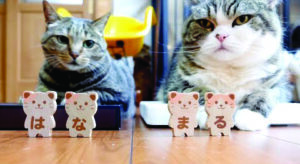
Photo courtesy of Neko no Hi
Want a more heartwarming way to include animals in your Christmas festivities?
Celebrate Cat Day (Neko no Hi). On Christmas Eve, Japanese cat owners offer special gifts and treats to their favorite felines. According to Japanese folklore, cats bring good luck, and Cat Day is a way of expressing gratitude to their fur-kids. Your dog probably wouldn’t mind if you celebrated National Dog Day (in August) again.
Feed the birds or put out water for wildlife. On Christmas Eve, Swedish families place a steaming bowl of Christmas porridge on their doorstep as a gift to the “tomte,” a mythical creature who cares for the animals. Instead of thanking someone else for caring for animals, be one of the caregivers.
Support homeless animals. Donate an item from a shelter or rescue group’s angel tree or wish list. Take a shelter dog out for a Doggy Daycation (bedallas90.org/volunteer/), or foster a dog or cat for a few days, weeks, or longer.
Merry Christmas!

Holiday traditions involve animals globally added by whiterocklakeweeklyadmin on
View all posts by whiterocklakeweeklyadmin →