
By Jason Evans
The City of Dallas, and Dallas Fire-Rescue, in partnership with the American Warrior Association (AWA), have launched the R3: Respond, Restore, Resolve framework, reinforcing the city’s ongoing commitment to first responder wellness.
Dallas becomes the third agency this year to fully launch the R3 framework, following the Texas Tactical Police Officers Association.
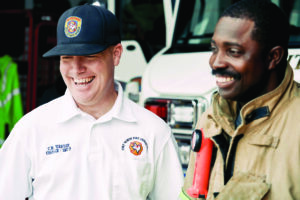
Photo courtesy of Dallas Fire Rescue
The initiative builds on Dallas’ existing investment in mental health resources, paid leave and established wellness units. R3 strengthens those efforts by helping integrate proactive resiliency training, a trusted network of culturally competent clinicians and leadership engagement into the fabric of the department, ensuring support begins early and continues throughout a first responder’s career.
Moral injury, the psychological and spiritual impact of experiencing or witnessing events that conflict with one’s values, is a key focus of the program. The R3 framework provides access to a network of nonclinical resources, culturally competent counseling and structured resiliency training to help reduce stigma and increase utilization of available support.
“As first responders, we witness someone’s worst day each day we put on this uniform, and our Wellness Unit has made an immeasurable impact on our officers and professional staff, as well as their families,” said Dallas Police Chief Daniel C. Comeaux.
“Since 2022, the Dallas Police Department’s Wellness Unit has been empowering our employees to take ownership of their wellbeing and led a cultural shift in our Department by normalizing seeking support. Adding R3 to our extensive roster of partner organizations is another opportunity for someone get support when they need it.”
“The wellness of our members is a priority,” said Dallas Fire-Rescue Chief Justin Ball. “Saving lives takes a toll, and we are grateful for a strong peer support program and partners like R3 who help us support our people. I encourage all members to take advantage of the resources available to maintain their mental fitness and stay healthy on the job.”
Anna Heil, executive director of the American Warrior Association, said the shift toward proactive care is critical to the future of the profession. “We can no longer afford to wait until someone is in crisis before we intervene,” Heil said. “We have to equip our first responders early, prepare them for the realities of the job and provide the tools to carry the weight or service the right way so they never reach that crisis point in the first place.”
R3 works alongside existing departmental programs by connecting personnel to vetted resources, expanding access to training and supporting leadership in building a culture where resilience is practiced consistently, not just in moments of need.

Program to strengthen first responders’ wellness added by whiterocklakeweeklyadmin on
View all posts by whiterocklakeweeklyadmin →